The First Step That Gets Skipped in Your Morning Routine
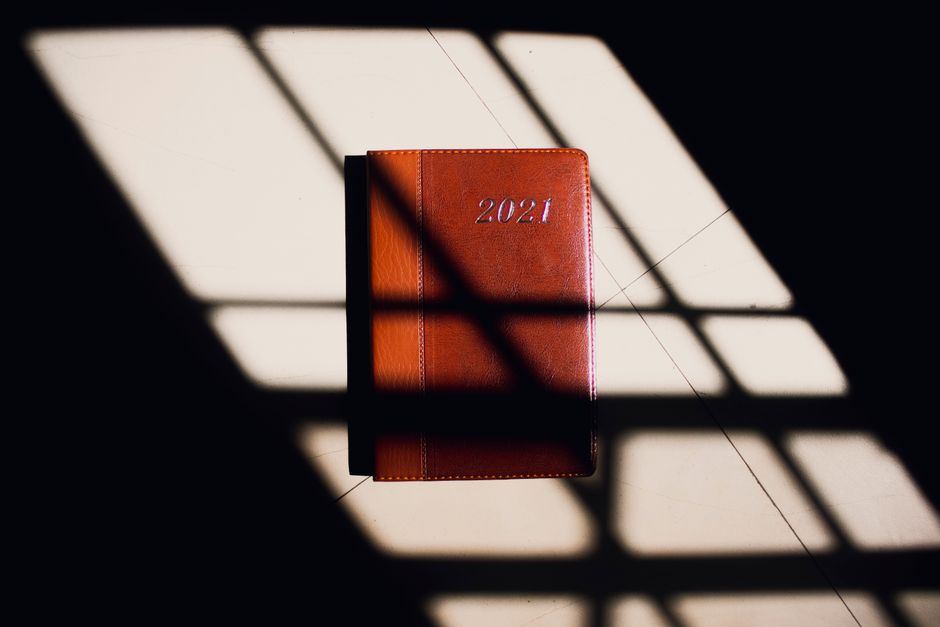
On a typical weekday morning, the kitchen counter becomes a chaotic hub as I scramble to pack my bag for work. The lunch container, still sitting in the sink from yesterday, serves as a glaring reminder of the rushed routine I often fall into. With keys in one hand and a notebook in the other, I feel the weight of a day that’s about to start, yet I can’t shake the nagging sense that I’m forgetting something crucial. The clock ticks closer to my departure time, and I realize I haven’t even checked the weather, a small but significant step that could dictate my entire outfit choice.
This oversight stems from a setup that relies too heavily on motivation rather than a structured approach. In the flurry of gathering my things, the sequence of tasks blurs together, and the simple act of checking the weather gets lost in the shuffle. Without a clear checkpoint before leaving the room, I risk stepping out into the day unprepared. A slight adjustment to my routine—like placing the weather app on my phone's home screen or setting a reminder to check it before I grab my bag—could streamline my morning and prevent these small but impactful slip-ups.
A Morning Routine Already in Motion
The kitchen counter is a chaotic mix of my lunch container, keys, and a notebook, remnants of yesterday’s hurried packing. It’s a typical weekday morning, and I’m racing against the clock to get out the door. I grab the lunch container from the sink, where it’s been sitting since last night, and toss in a sandwich and some fruit. The sound of the refrigerator door closing echoes in the small kitchen as I glance at the clock, realizing I have only ten minutes left.
While I stuff my bag with essentials, I can’t shake the feeling that I’m forgetting something important. I move to the door, but before I step out, I remember my daily reset routine, which I’ve been trying to enforce. I pause, take a breath, and pull out my phone to check the weather app, a small but crucial step I often overlook. It’s a simple action, but it can save me from stepping outside in a light jacket when it’s actually chilly and rainy. I tap the screen, and the forecast confirms my instinct: rain is on the way. This reminder prompts me to grab an umbrella from the nearby stand, a small adjustment that could make a big difference in my day.
When the Weather Check Gets Skipped
This same friction shows up again in Everyday Life In The, especially when the day tightens unexpectedly.
The kitchen counter is cluttered with the remnants of breakfast: a half-empty coffee cup, a few crumbs from toast, and my bag waiting to be packed. As I glance at the clock, I realize I’m running late. I grab my notebook and keys, but in my rush, I skip the weather check, a step that often feels unnecessary until it’s too late. I stuff my lunch container, still damp from the sink, into the bag and head toward the door, feeling that familiar twinge of anxiety about what I might be forgetting.
Stepping outside, I immediately regret my choice of a light sweater. The chilly breeze bites through the fabric, and I can feel the impending rain in the air, a stark reminder of the morning's oversight. Had I taken just a moment to check the weather app on my phone, I could have swapped the sweater for a warmer jacket and grabbed an umbrella. Instead, I’m left shivering, wishing I had built in that small habit of checking the forecast before leaving the house.
To avoid this cascading effect on future mornings, I need to rework my routine. A simple adjustment could be placing my phone on the counter next to my keys, creating a visual cue that reminds me to check the weather before I leave. This way, I can ensure I’m dressed appropriately for the day’s conditions, reducing the chances of discomfort and frustration as I navigate through my busy schedule.
Understanding the Friction of a Crowded Morning
A slightly different version of this problem appears in Daily Routines Real Life, where the sequence changes but the hidden drag feels familiar.
The kitchen counter is cluttered with reminders of a rushed morning: a half-packed bag, a forgotten lunch container still in the sink, and a phone buzzing with notifications. Each ping pulls my attention away from the tasks at hand, creating a chaotic backdrop that overshadows the need for thorough preparation. The pressure to leave on time often leads to skipping essential steps, like checking the weather, which can have immediate consequences.
- Notifications from social media and emails divert focus from packing essentials.
- The urgency of time makes it easy to overlook the small habit of checking the forecast.
- Good intentions to prepare the night before don’t compensate for the morning’s distractions.
To counter this, I need to establish a checkpoint: placing my phone on the counter next to my keys each night. This way, before I grab my bag, I can easily check the weather app, ensuring I’m dressed appropriately for the day ahead. Incorporating this small habit into my morning routine could prevent the frustration of being caught off guard by unexpected weather.
Reordering the Sequence for Success
During a hectic weekday morning, the crucial first step often overlooked is checking the weather. Instead of diving straight into packing my bag, I need to pause and assess the forecast. This small adjustment can save me from the frustration of being caught off guard by unexpected rain or chilly temperatures. By placing my phone on the kitchen counter next to my keys, I create an easy access point for this essential check.
To ensure this step doesn’t get skipped, I set a timer for five minutes as soon as I wake up. This dedicated time allows me to focus solely on checking the weather and planning my outfit accordingly. After confirming the forecast, I can then move on to packing my lunch container, which often lingers in the sink from the night before. By prioritizing the weather check first, I establish a sequence that leads to a smoother, more prepared start to my day, reducing the chances of last-minute scrambling.
A Quick Checklist Before Leaving the Room
As I stand by the kitchen counter, I often find myself rushing to gather my essentials for the day. Keys, notebook, and lunch container are all critical items, yet it’s easy to overlook one or two in the chaos of a late-start weekday morning. A quick mental checklist can help streamline this process. Before I step out the door, I need to ensure I have my keys in hand, my notebook tucked under my arm, and my lunch container—often forgotten in the sink—packed and ready to go.
To reinforce this routine, I’ve placed a small sticky note on the door, reminding me to check the weather before leaving. This visual cue acts as a prompt, ensuring I don’t skip this crucial step. I’ve learned the hard way that neglecting the weather check can lead to uncomfortable surprises, like showing up at work drenched from unexpected rain. So, as I grab my keys, I also take a moment to glance at my phone on the counter, confirming the forecast for the day. This simple act of checking the weather has become a vital part of my morning sequence, allowing me to dress appropriately and avoid scrambling later.
By incorporating this checklist into my routine, I create a smoother transition from home to my day ahead. The act of checking off each item—keys, notebook, lunch container, and weather—ensures I leave the house prepared and reduces the chances of forgetting something essential. It’s a small habit, but it significantly enhances my daily reset and overall life structure.
What Gets Easier in the Next Time Block
As I stand at the kitchen counter, my bag sprawled open and my keys resting nearby, I realize that the small habit of checking my lunch container has become crucial. It’s easy to overlook this step, especially on busy mornings. Today, I notice the container still sitting in the sink, a reminder of yesterday’s chaos. By simply moving it to my bag first, I set a clear intention for my next step. This adjustment eliminates the frantic search later, allowing me to focus on what’s next.
Incorporating this small habit not only streamlines my morning but also sets a positive tone for the day ahead. Once the lunch container is packed, I can shift my attention to checking the weather on my phone. This sequence change—packing the bag before checking the forecast—means I can dress appropriately without the last-minute scramble. It’s a practical shift that makes the next time block feel less rushed and more organized.
By establishing this routine, I create a checkpoint that ensures I leave the house with everything I need. Each item placed in my bag—keys, notebook, lunch container—becomes a small victory, reinforcing my commitment to a smoother weekday routine. This approach helps me avoid the discomfort of being unprepared, allowing me to step into my day with confidence.
As I stand by the kitchen counter, the bag ready for the day, I realize how crucial the order of my tasks is. Skipping the weather check until I’m already dressed has led to mismatched outfits and unnecessary frustration. By simply checking the forecast before I pack my bag, I can ensure I’m prepared for whatever the day brings. This small adjustment allows me to dress appropriately without scrambling at the last minute.
Next time, I’ll make it a point to check the weather on my phone right after I place my keys and notebook in the bag. This sequence change not only enhances my morning routine but also keeps my focus on what I need to accomplish next. It’s a simple habit, but it’s one that can easily slip through the cracks on a busy morning, reminding me that even minor shifts can lead to a more organized and simple day.


