Navigating the Friction of Daily Routines in a Simple Life
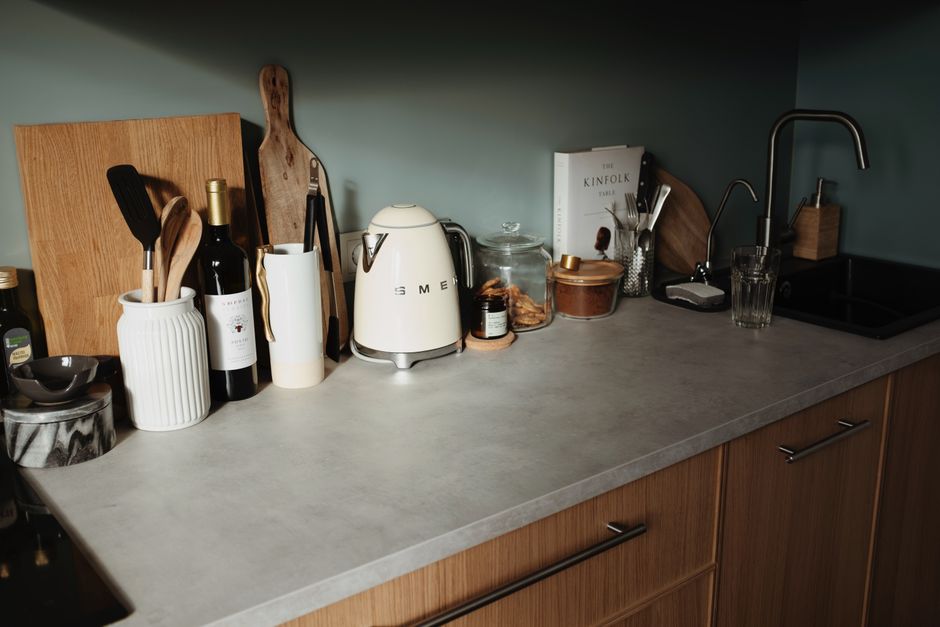
As the clock ticks toward 8 PM, the clutter on the kitchen counter tells a story of a long day. Dirty dishes, including a lunch container stubbornly lodged in the sink, crowd the space where a simple evening routine should unfold. The remote worker, exhausted from a late finish, stands at the threshold of their home office, keys in one hand and a notebook in the other, contemplating the next steps of their evening reset. The bedside table nearby holds a half-opened planner, a reminder of the intentions set that morning, now overshadowed by the chaos of the day.
In this moment, the friction of a messy kitchen becomes a barrier to achieving a clean slate for the evening. The worker knows they need to check the weather for tomorrow’s commute, but the thought of navigating around the dirty dishes feels overwhelming. Instead of moving one small task to the night before, like prepping the coffee maker or laying out clothes, they hesitate, caught in a loop of motivation and disarray. The setup relies too heavily on the energy left after a busy day, leaving the evening routine at risk of collapse before it even begins.
The Evening Reset That Goes Awry
The remote worker steps into the entryway, keys jangling in their pocket, a stark reminder of the late finish that has left them drained. Their bag, a tangle of cables and documents, is dropped haphazardly on the floor, while a notebook spills open on the side table, pages fluttering in the draft. The intention to reset the evening routine is there, but the clutter around them tells a different story.
As they glance toward the kitchen, the sight of dirty dishes piled high in the sink creates a mental block. The lunch container from earlier sits abandoned, a symbol of the day’s chaos. They know that checking the weather for tomorrow’s commute is essential, yet the thought of navigating around the mess feels like an insurmountable task. Instead of taking a moment to prep the coffee maker or lay out clothes for the morning, they hesitate, caught in a cycle of fatigue and frustration.
In this moment, the evening routine is at risk of collapse. The setup relies too heavily on the energy that has already been depleted throughout the day. If they could just move one small task to the night before, like rinsing out that lunch container or putting away their keys in a designated spot, it might ease the burden. But with the kitchen counter unavailable and the entryway cluttered, the motivation to start feels like a distant goal, leaving the reset hanging in the balance.
A Small Mistake That Snowballs
The kitchen counter is a battlefield of dirty dishes, each plate and cup a reminder of the day’s chaos. As the remote worker stands in the entryway, keys in one hand and a notebook in the other, the clutter feels overwhelming. The lunch container, still soaking in the sink, adds to the mental load. It’s easy to overlook these small tasks when the evening routine is already stretched thin.
With the counter unavailable for prep, the thought of laying out clothes for the morning or setting up the coffee maker feels daunting. Instead of a smooth transition into the evening routine, there’s a sense of frustration that builds with each passing moment. They know that checking the weather for tomorrow’s commute is essential, but navigating around the mess feels like a chore they can’t tackle tonight.
If they had rinsed out that lunch container earlier in the day or put the keys in their designated spot as soon as they walked in, the reset would feel less like an uphill battle. The simple act of clearing the counter could have created space for a more effective evening routine. Now, with the mess looming, the motivation to start dwindles, leaving them caught in a cycle of fatigue and missed opportunities.
This same friction shows up again in Daily Routines Real Life, especially when the day tightens unexpectedly.
How One Mistake Affects Tomorrow
The clutter from the previous evening lingers like an unwelcome guest. As the remote worker stumbles out of bed, the first obstacle appears: the keys are missing from their usual spot on the bedside table. Instead, they find a jumble of papers and a half-opened notebook, remnants of last night’s chaotic reset. This disorganization sets a frustrating tone for the morning, leading to a frantic search that eats away precious minutes.
With the clock ticking, they skip the crucial weather check that could have informed their outfit choice and commute plans. Instead, they rush through their morning routine, grabbing whatever clothes are closest and hoping for the best. The pressure mounts as they realize they’ve also forgotten to pack their lunch, which still sits in the sink. This small oversight compounds the stress, leaving them scrambling to make a quick breakfast before dashing out the door. The ripple effect of last night’s messy reset transforms a simple morning into a chaotic scramble, underscoring how one small mistake can derail the entire day.
A Simple Repair for a Complicated Situation
After a long day, the remote worker stares at the cluttered kitchen counter, where dirty dishes crowd the space. The lunch container, still soaking in the sink, is a stark reminder of the chaotic evening routine that spiraled out of control. This mess makes it impossible to set up for the next day, as the counter is the designated staging area for their evening reset. Instead of a clear path to prep their bag, keys, and notebook, they face a frustrating obstacle that discourages any motivation to tackle the evening tasks.
To simplify this nightly reset, a small adjustment can make a significant difference. Moving the weather check to the night before not only ensures a smoother morning but also allows for better outfit choices and more thoughtful planning. Setting a reminder on their phone for this evening check can help avoid distractions that often derail the process. Clearing a small section on the counter, perhaps just enough for their keys and notebook, creates a dedicated space for preparation, making it easier to grab essentials without wading through clutter.
By taking these steps, they can transform the evening routine from a chaotic scramble into a more manageable task. The pressure of a messy kitchen can lead to a disorganized morning, but with a simple repair like a prepped counter and a weather check, they can regain control. This small habit shift not only makes the evening reset easier but also sets a positive tone for the next day, showing that simplicity can be restored even when the day feels complicated.
Recognizing Patterns That Lead to Friction
If this pattern keeps repeating, Everyday Life In The extends the idea without leaving the niche.
As the evening stretches on and the clock ticks past 8 PM, the clutter on the kitchen counter becomes a significant barrier. A stack of dirty dishes, including the lunch container left in the sink, occupies precious space, making it difficult to set up for the next day. This chaos can derail even the best-laid plans, turning a simple evening routine into a daunting task. Each time the remote worker approaches the counter, they face not just the physical mess but the mental weight of unfinished chores.
One overlooked step that often gets skipped is the quick cleanup before transitioning to the evening reset. Instead of diving straight into organizing their bag and keys, a brief 10-minute tidy-up can create a more inviting workspace. Clearing off just enough counter space for their notebook and keys can streamline the morning routine, allowing for easier access to essentials. This small habit, when consistently practiced, can transform the evening from a chaotic scramble into a manageable task.
The impact of clutter on daily habits is profound. When the kitchen feels overwhelming, it can lead to procrastination and a lack of motivation to prepare for the next day. By recognizing this pattern, the remote worker can implement a consistent evening routine that includes a quick cleanup. Setting a timer for those 10 minutes not only makes the task feel less daunting but also creates a sense of accomplishment. This small adjustment can lead to smoother mornings, as a clean space fosters clarity and readiness for the day ahead.
As the remote worker settles in for the evening, the clutter from a long day can feel overwhelming. The dirty dishes stacked in the sink, including the lunch container that never made it to the dishwasher, create a barrier to a smooth reset. This visible chaos can drain motivation, making it harder to prepare for the next day. Instead of just pushing through, a simple check of the weather app on their phone can help them decide what to wear tomorrow, but first, they need to clear a small space on the counter to set the phone down and focus.
By moving the task of loading the lunch container to the night before, they can create a more manageable evening routine. This small adjustment, combined with a quick tidy-up of the counter, can help them establish a consistent reset process. With just 10 minutes dedicated to this cleanup, the remote worker can transform their environment and set the stage for a more organized morning, making it easier to stick to their daily routines.


